

Motor Engineering / Efficiency Analysis
The Hidden Cost of Running Light
At low speed and partial load, an AC motor quietly gives away efficiency it never recovers — a look at where that power actually goes, and what to do about it.
The Direct Answer: Why Efficiency Drops at Low Speed and Partial Load
An AC motor becomes less efficient at low speeds or partial loads because its fixed losses — core loss, friction, and windage — stay nearly constant regardless of output, so they consume a growing share of total input power as useful output drops. At the same time, self-cooled AC motors lose airflow from their shaft-mounted fans as speed decreases, reducing heat dissipation exactly when internal losses are proportionally higher. The result is a motor that can see efficiency fall from over 90% near full load to below 70% at light load, depending on size and design.
The sections below explain the specific mechanisms behind this drop, using concrete figures, and outline what you can practically do about it if your application regularly runs an AC motor away from its rated point.
Fixed Losses Don't Scale Down With Reduced Output
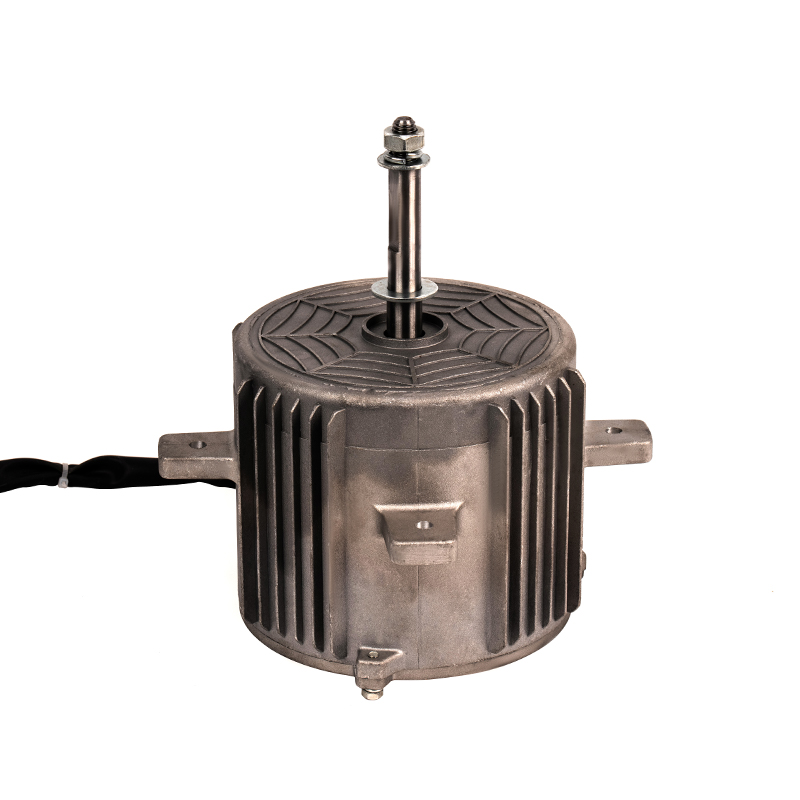
Every AC motor has a category of losses that remain essentially fixed no matter how lightly the motor is loaded: core (iron) losses from magnetizing the stator, friction in the bearings, and windage from the rotor spinning through air. These losses are set largely by the motor's design and its rated voltage and frequency, not by the mechanical load it's driving.
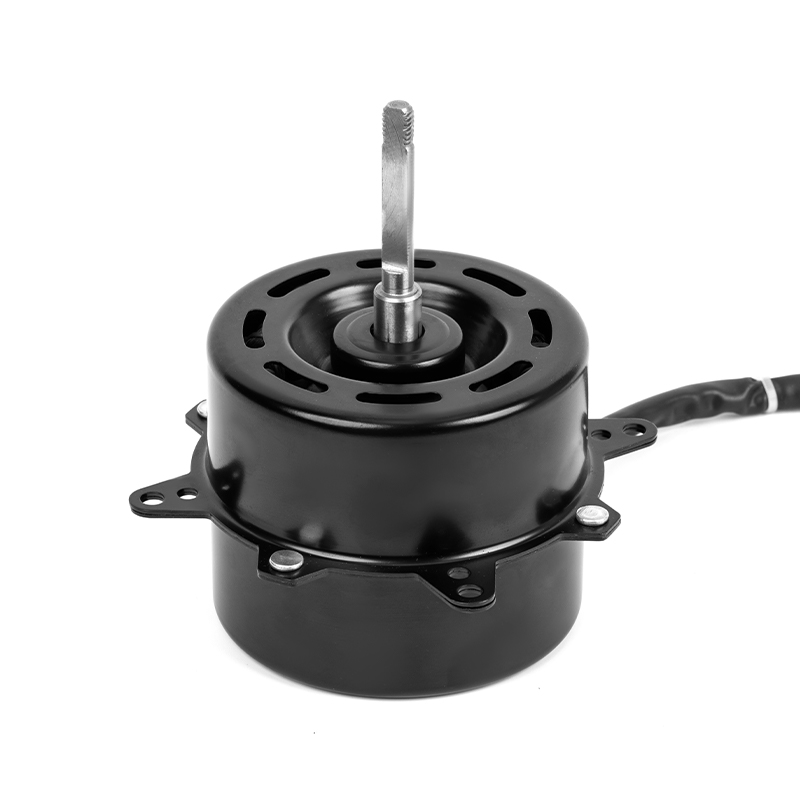
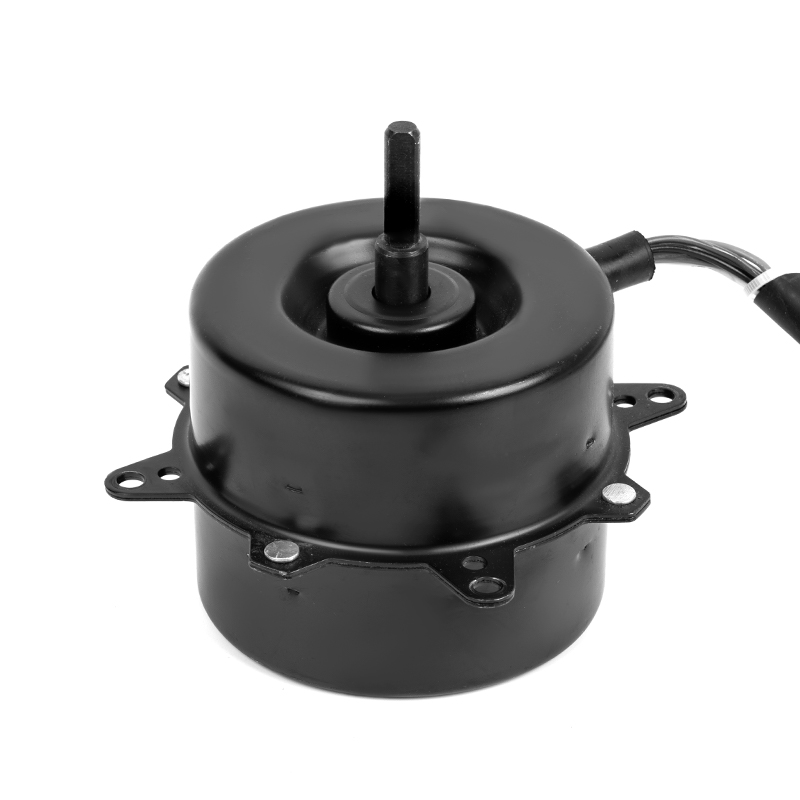
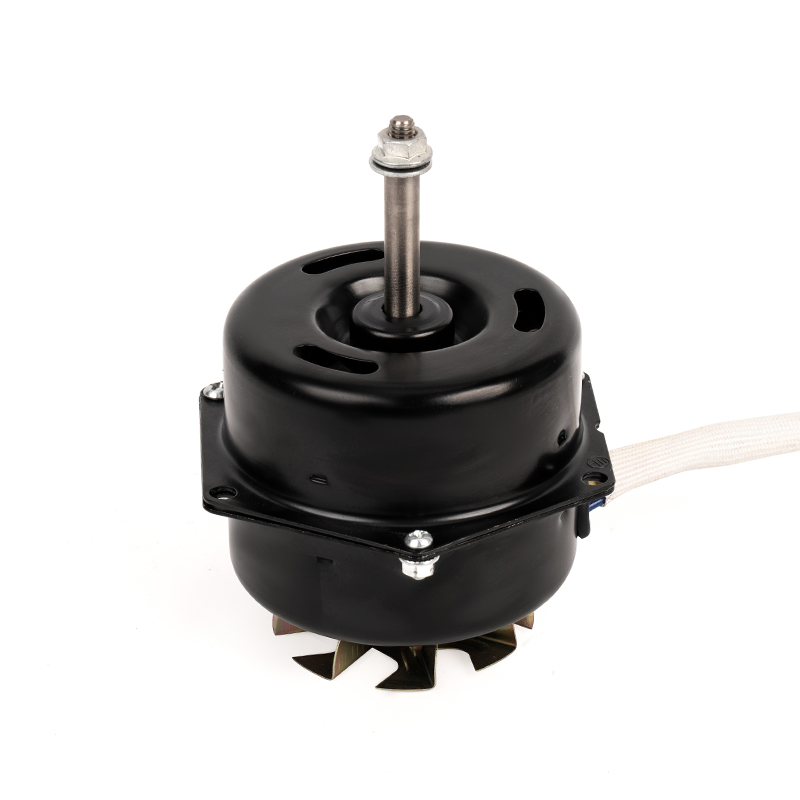
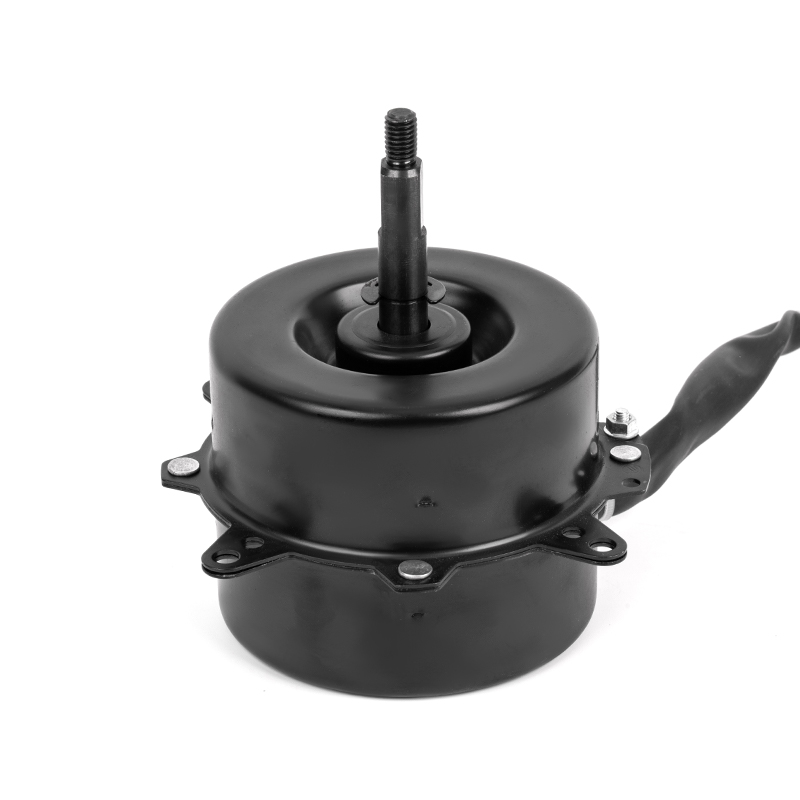
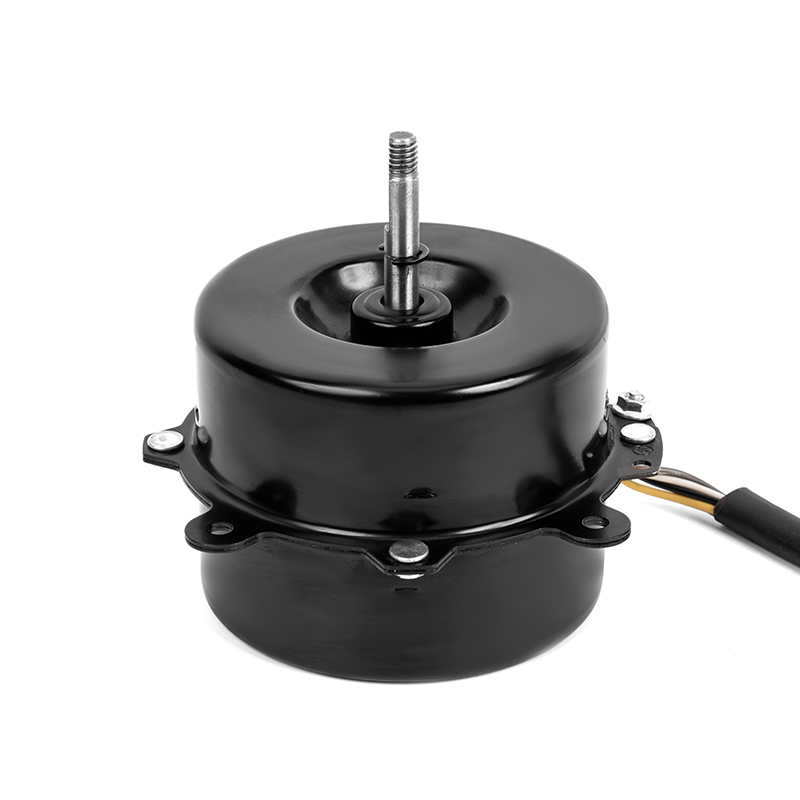
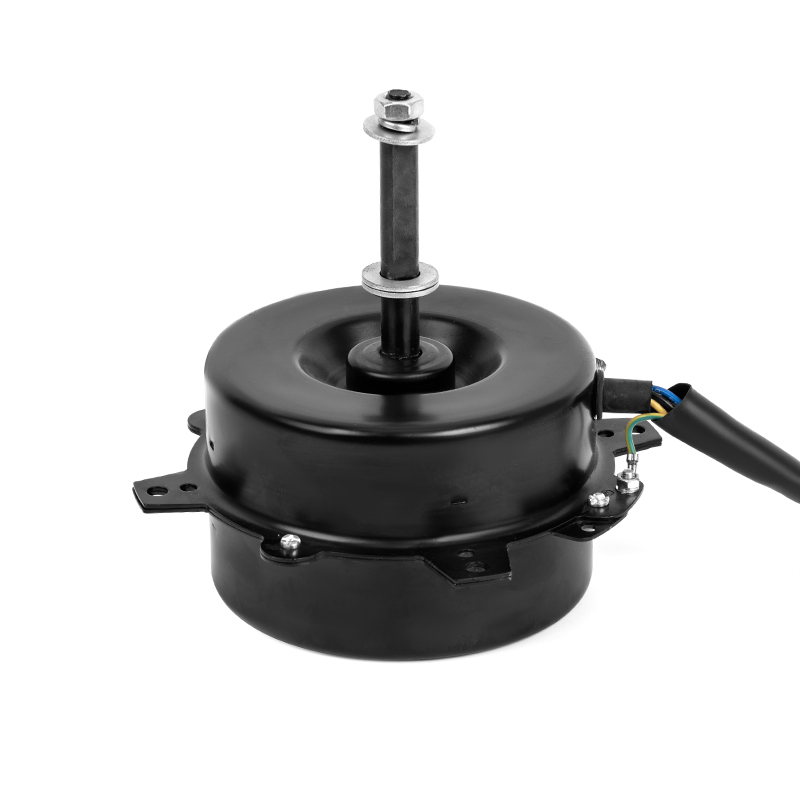
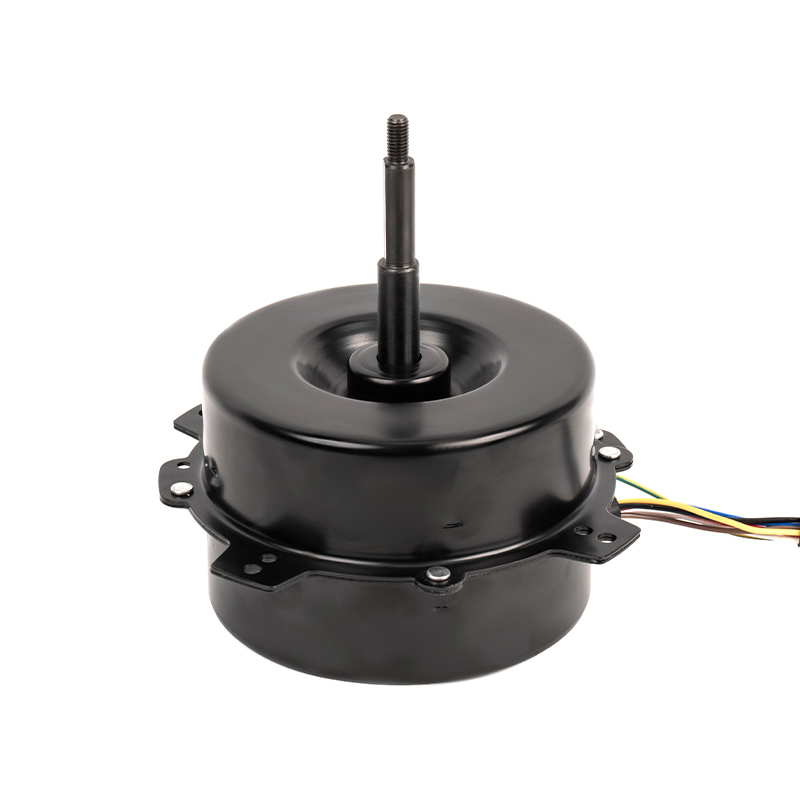
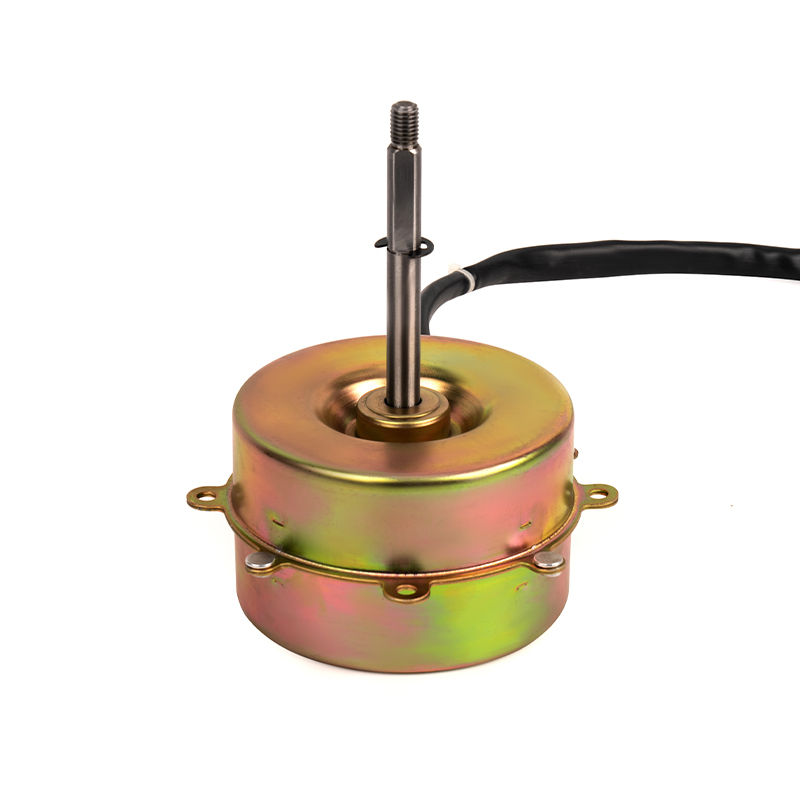
AC motor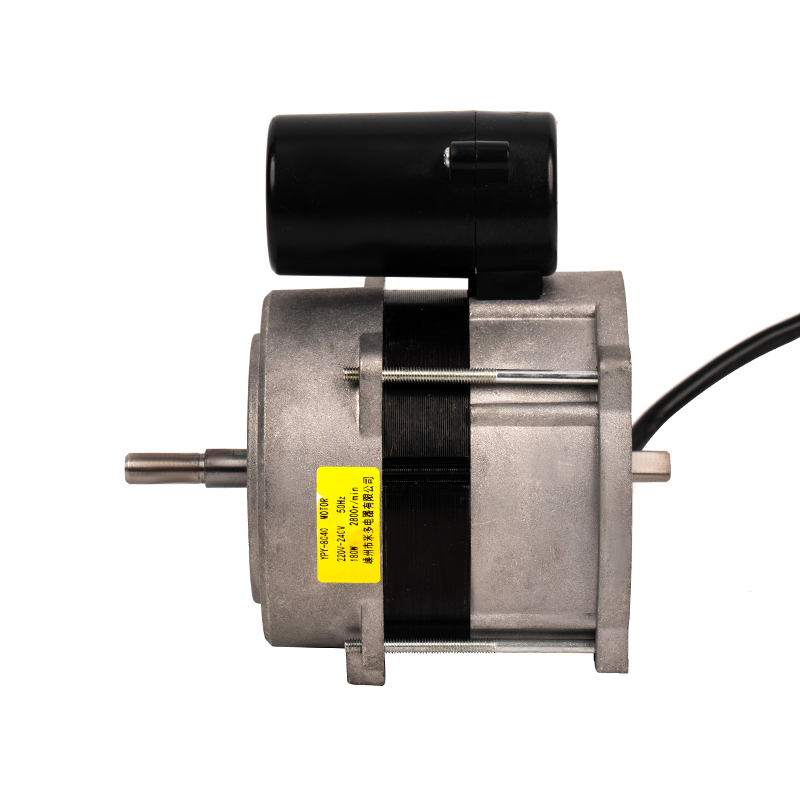
Why This Hurts Efficiency at Partial Load
Efficiency is simply useful output power divided by total input power. When the load — and therefore the output power — drops, the fixed losses stay the same in absolute terms but become a much larger percentage of the total. A motor that loses 5% of its rated power to fixed losses at full load might lose 15% to 20% of a much smaller input at 25% load, because the numerator (losses) barely changes while the denominator (output) shrinks dramatically.
- Core losses depend on flux density, which is tied to voltage, not load
- Friction and windage losses depend on speed, not torque delivered
- A typical mid-size induction motor may see efficiency fall by 10 to 15 percentage points between 100% and 25% load
Slip Losses Increase Relative to Useful Work at Light Load
Induction motors operate by slip — the difference between synchronous speed and actual rotor speed. Slip is what induces current in the rotor and produces torque, but it also represents wasted power converted to heat in the rotor bars rather than mechanical output. At light load, the absolute slip losses are smaller, but rotor and stator copper losses (I²R losses) don't fall linearly with load, since magnetizing current remains nearly constant even when torque-producing current drops.
The Magnetizing Current Problem
Info
An AC motor draws magnetizing current to establish its magnetic field regardless of mechanical load. This current can represent 25% to 40% of full-load current even when the motor is essentially unloaded, and it still generates I²R heating in the windings. That heat is a real loss with no corresponding mechanical output, which directly drags down partial-load efficiency.
Cooling Capacity Falls Just When It's Needed
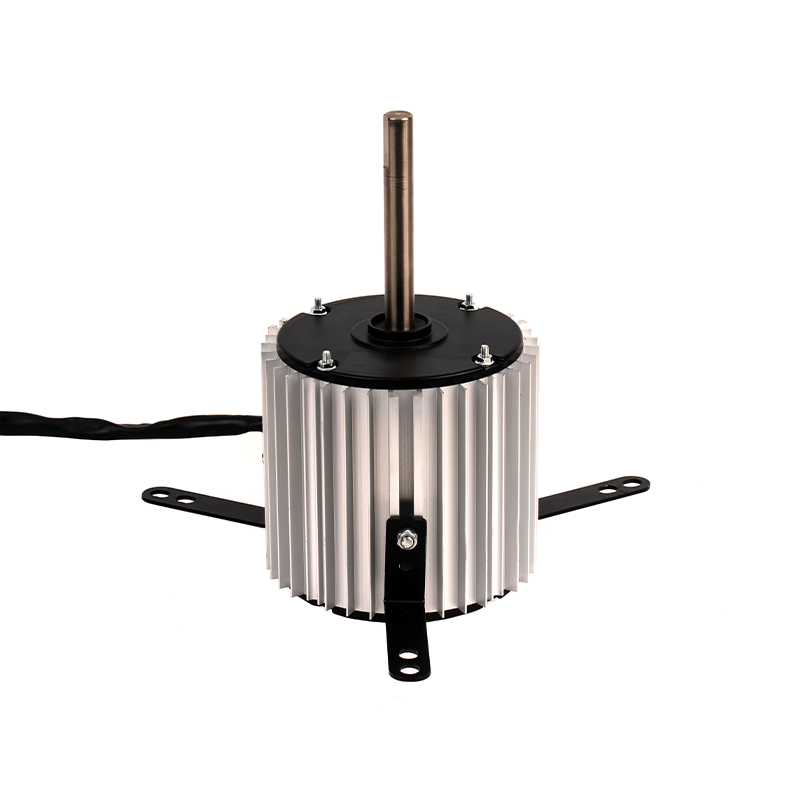
Most standard AC motors use a shaft-mounted fan for cooling, meaning airflow is directly proportional to shaft speed. When a motor is slowed down — whether mechanically or through frequency reduction on a variable speed ac motor setup — the cooling fan moves less air at the exact moment internal losses, as a percentage of output, are climbing. This creates a compounding problem: efficiency losses generate heat, and the motor's own cooling system becomes less capable of removing that heat.
Practical Consequence for Low-Speed Operation
Warning
Manufacturers often specify a minimum continuous operating speed — commonly around 20% to 30% of rated speed — below which a self-cooled motor risks overheating even at reduced load, simply because there isn't enough airflow to carry heat away. Running below this threshold for extended periods can shorten insulation life and trigger thermal protection trips.
Power Factor Drops Sharply at Partial Load
Power factor is closely related to efficiency in AC motor systems, and it degrades noticeably as load decreases. A motor that runs at a power factor of 0.85 to 0.90 at full load may drop to 0.4 to 0.6 at 25% load, because magnetizing (reactive) current stays roughly constant while real power draw falls. This means the motor draws more current than necessary relative to the useful work it performs, increasing resistive losses in the motor windings and the upstream wiring.
Why This Compounds the Efficiency Problem
Lower power factor doesn't just affect the utility bill through demand charges — it also increases I²R losses throughout the electrical distribution system feeding the motor. For facilities running many partially loaded motors simultaneously, this cumulative effect can meaningfully raise total energy consumption beyond what the motor's nameplate efficiency alone would suggest.
Single Phase AC Motor Designs Face Additional Penalties
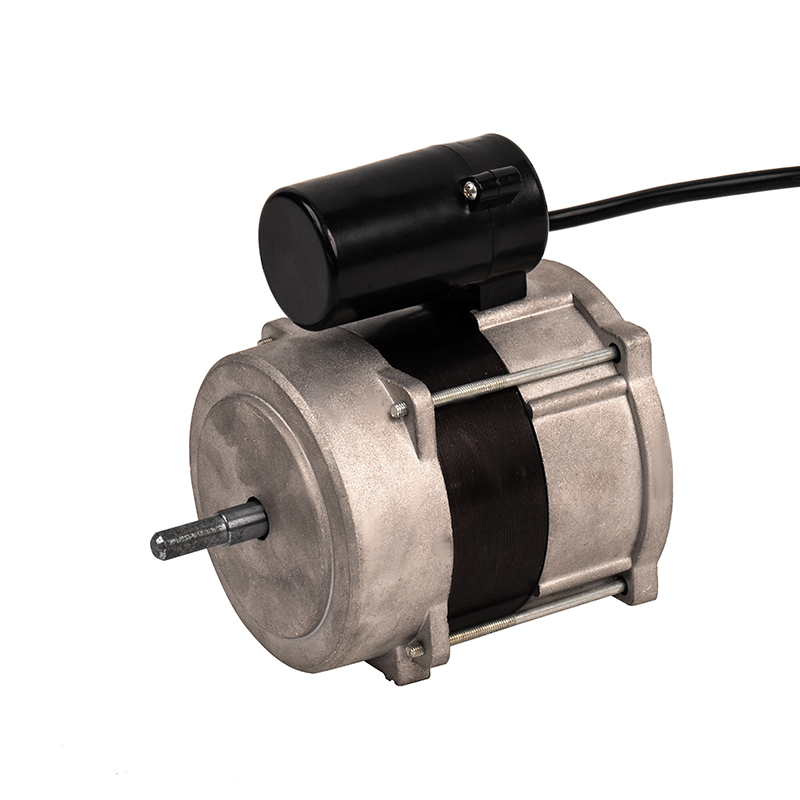
A single phase AC motor is inherently less efficient at low speed and partial load than its three-phase counterpart, largely because of how it generates its rotating magnetic field. Many single-phase designs rely on auxiliary windings, starting capacitors, or shaded poles to create rotation, and these components introduce additional losses that don't scale down proportionally with reduced load. The pulsating torque characteristic of single-phase operation also creates extra mechanical losses through vibration and uneven rotor heating, particularly pronounced when the motor runs well below its rated speed.
Efficiency Comparison by Motor Type
Three-phase induction motors typically retain reasonable efficiency down to about 50% load before a steep decline sets in. A single phase AC motor, by contrast, often shows a more pronounced efficiency drop starting from 75% load downward, since its starting and running windings were optimized for a narrower operating band around rated conditions.
How Variable Frequency Drives Affect Low-Speed Efficiency
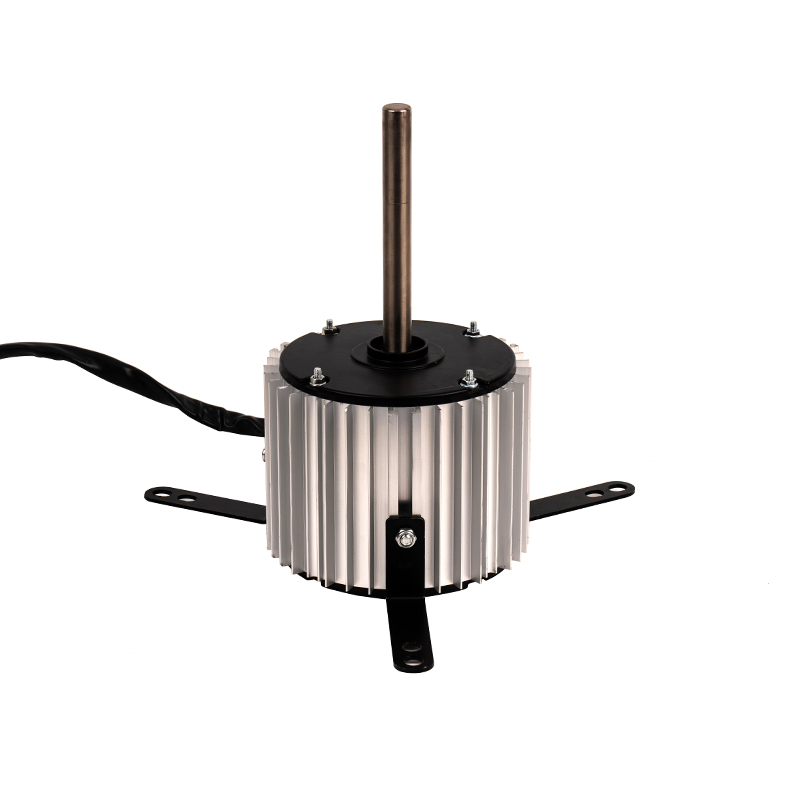
Pairing an AC motor with a drive to create a variable speed ac motor system introduces its own efficiency considerations at low speed. Most drives use volts-per-hertz control, reducing both voltage and frequency together to maintain constant flux. This helps limit core losses somewhat at low speed, but the drive itself has switching losses that become a larger percentage of the (now smaller) total power being processed, and any external cooling fan added to compensate for reduced shaft-driven airflow consumes additional energy that isn't contributing to motor efficiency directly.
The Overall System View
When evaluating a variable speed ac motor setup, it's important to look at combined drive-plus-motor efficiency rather than motor efficiency alone. A drive might be 96% to 98% efficient at full output, but that figure typically declines at low speed and light load too, stacking on top of the motor's own reduced efficiency in that operating region.
Typical Efficiency Behavior Across the Load Range
| Load Level | Typical Efficiency | Typical Power Factor |
|---|---|---|
| 100% Load | 88% - 94% | 0.85 - 0.90 |
| 75% Load | 87% - 92% | 0.80 - 0.85 |
| 50% Load | 82% - 88% | 0.65 - 0.75 |
| 25% Load | 65% - 78% | 0.40 - 0.55 |
Practical Steps to Improve Low-Load Efficiency
If your application regularly runs an AC motor below its rated load or speed, several practical measures can reduce the efficiency penalty:
- Right-size the motor to your typical operating load rather than oversizing for rare peak conditions
- Use a properly configured variable speed ac motor drive with flux-optimized control at low speed, rather than simple volts-per-hertz scaling
- Add forced external cooling for motors that must run continuously at low speed, since shaft-driven fans lose effectiveness below rated RPM
- Install power factor correction capacitors where multiple lightly loaded motors operate on the same electrical system
- Consider premium-efficiency or high-efficiency motor designs, which generally maintain better efficiency curves across a wider load range
Success
Matching motor size to actual duty cycle, choosing the right control strategy, and addressing cooling and power factor directly are the most effective ways to minimize efficiency loss in real-world operation.
Final Takeaway on Low-Speed and Partial-Load Efficiency
The efficiency drop AC motors experience at low speed and partial load is not a flaw in any single component, but the combined result of fixed losses staying constant, magnetizing current remaining high, cooling airflow diminishing with speed, and power factor deteriorating as real power demand falls. This effect is most pronounced in a single phase AC motor due to its inherently narrower efficient operating band, and it requires careful attention when designing or specifying a variable speed ac motor system, since drive efficiency stacks on top of motor efficiency in that same low-load region. Matching motor size to actual duty cycle, choosing the right control strategy, and addressing cooling and power factor directly are the most effective ways to minimize this efficiency loss in real-world operation.
 ++86 13524608688